How Luma.Green works
Materials move from homes to collection shops, preprocessors and recyclers before they become something new. Here is what happens at each step, and what Luma.Green records.
Step 1
Sell
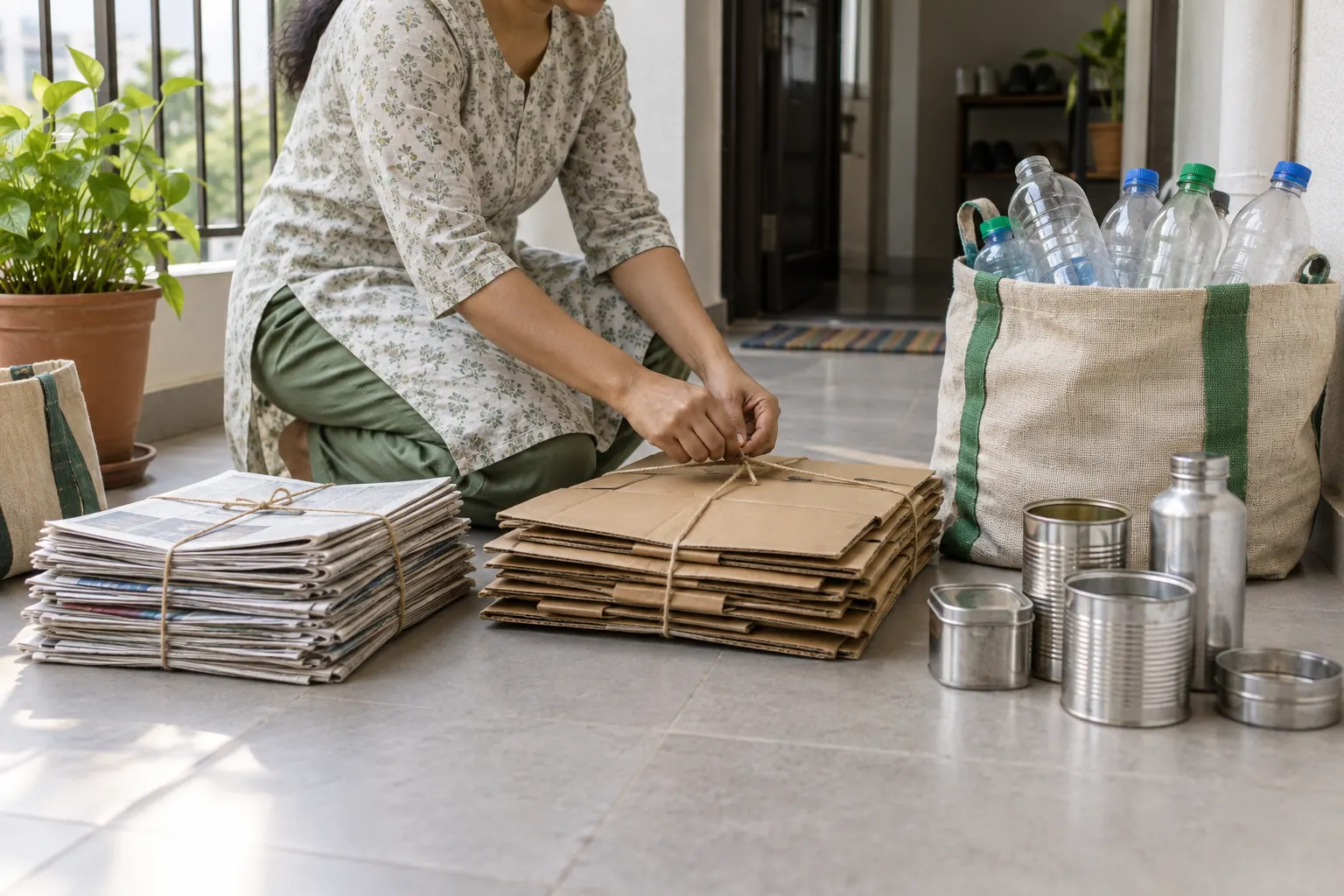
A household adds photos and collection details, then books pickup or drop-off. No estimated weights are required. The shop weighs the materials and records its payment declaration and receipt.
Sell
- Each shop sets its own offers
- Weights recorded in grams from the shop's scale
- Sign in with record access to view private collection details
Step 2
Trade
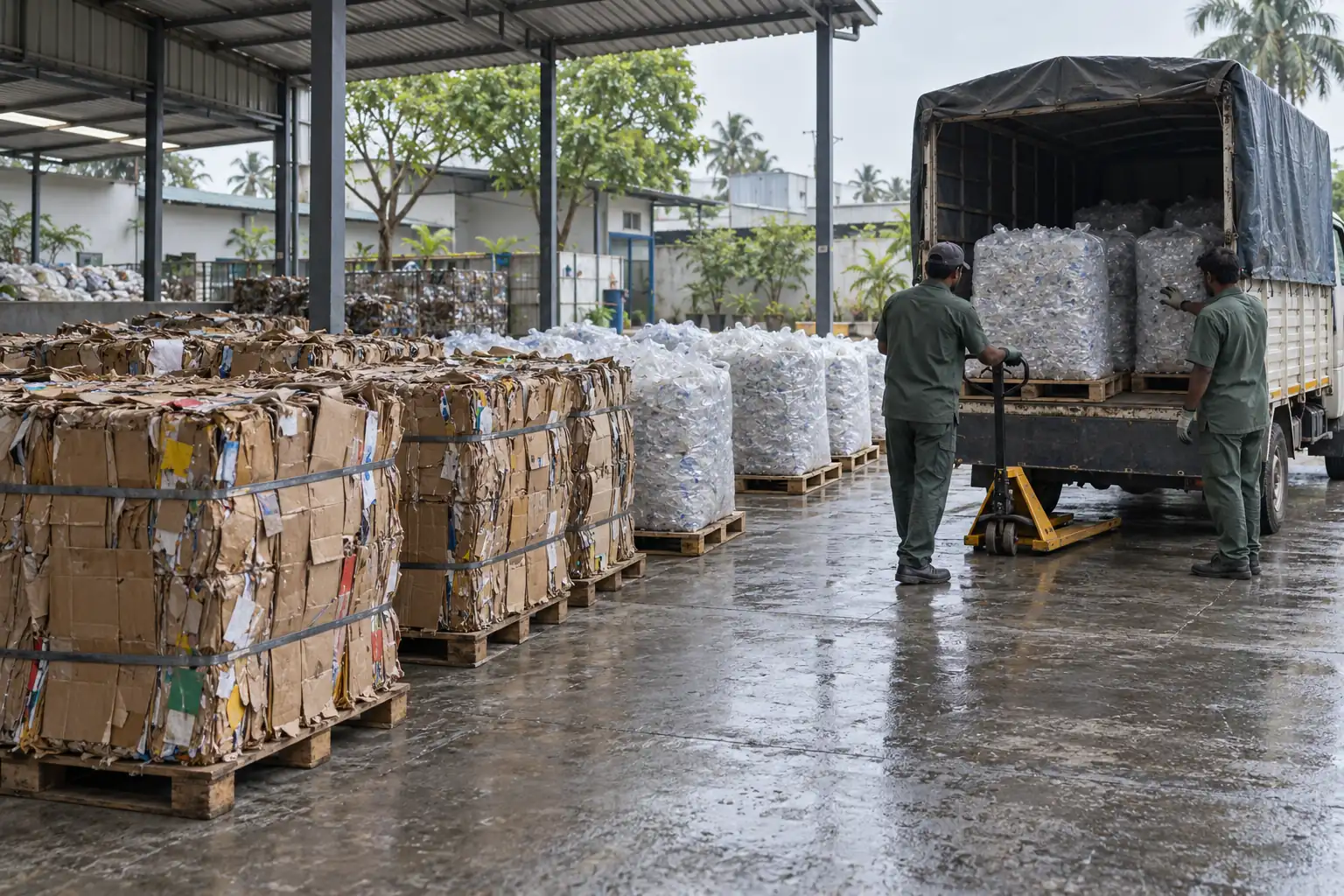
Business payments use the payment gateway. Check the order for its current payment status.
Trade
- Only verified businesses can trade
- Stock moves when a load is dispatched and received
- A numbered trade receipt for every paid trade
Step 3
Record
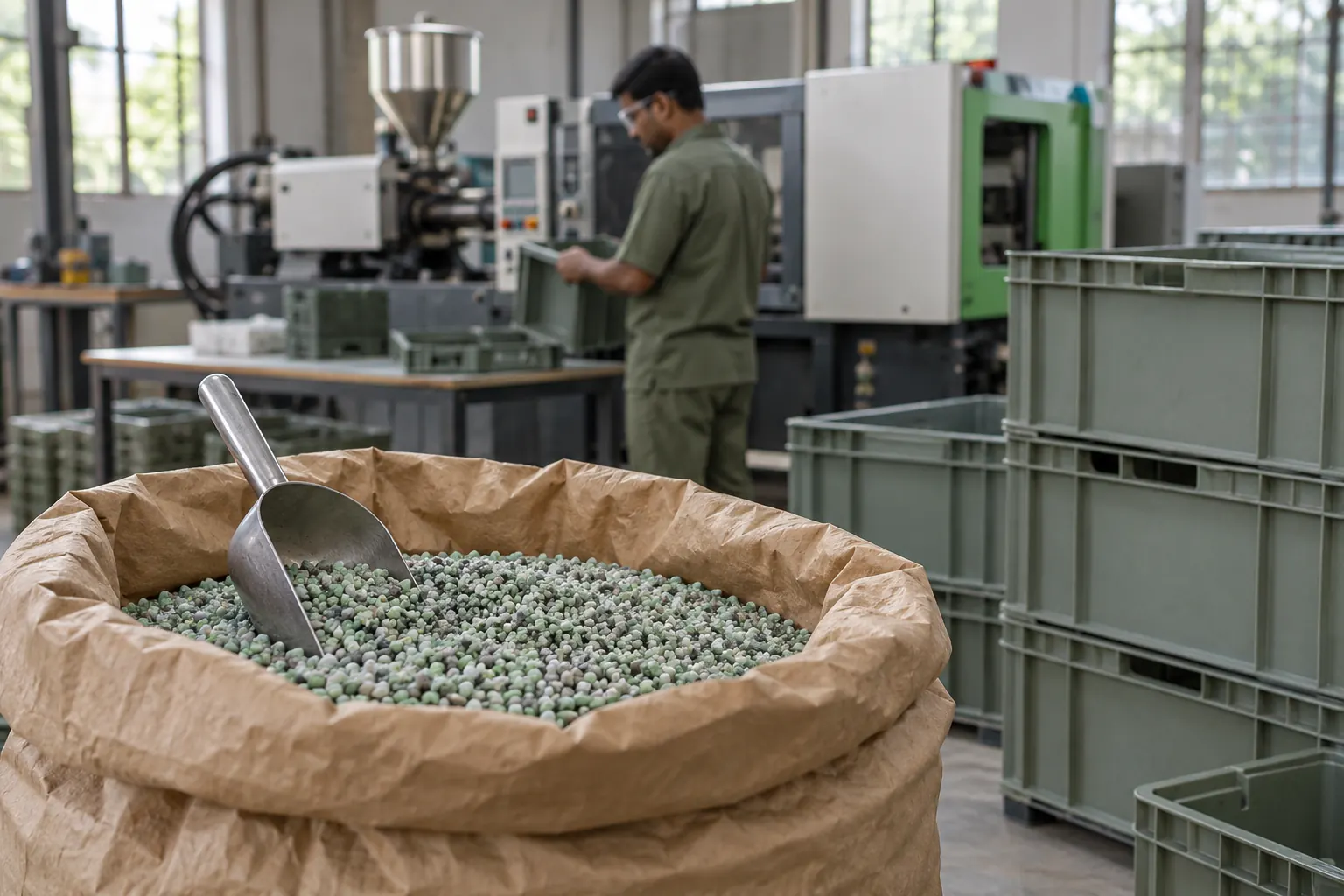
Every hand-off is written down: who, what, how much, when and where. That record powers the price board, stock, compliance and impact figures, and is the evidence EPR and recycling standards ask for.
Record
- One record from the door to the factory
- EPR totals by financial year for recyclers and factories
- Supporting evidence for credits, never counted twice
Get your materials ready
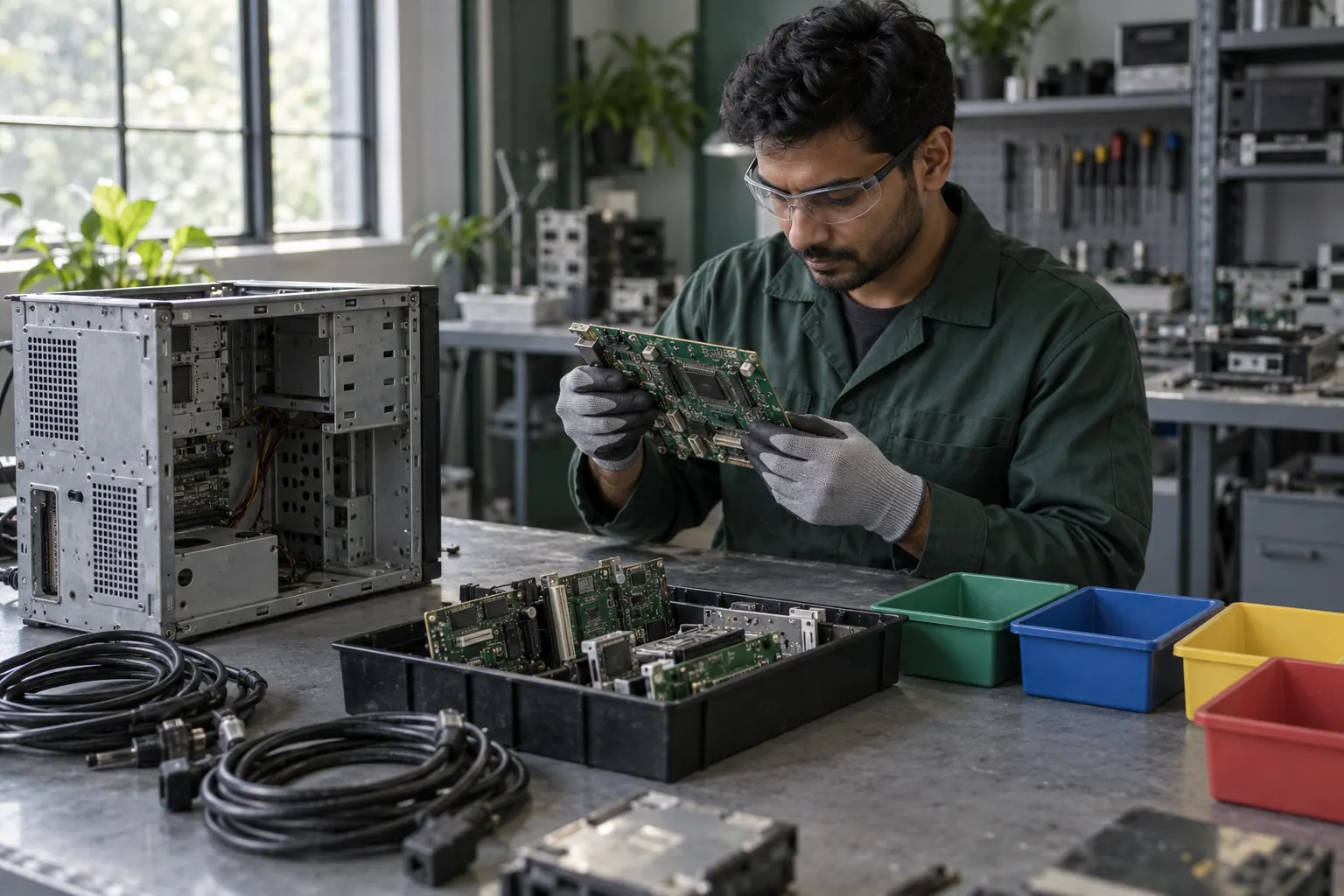
Sort your materials and keep them dry to help the shop weigh and price them.
- Keep paper dry and flat
- Stack newspapers and flatten boxes. Wet paper is worth less.
- Empty and squash bottles
- Pour out any liquid and press plastic bottles flat to save space.
- Keep metal apart
- Put tins, steel and aluminium in their own bag.
- Set gadgets and batteries aside
- Keep old phones, chargers and batteries in a separate box, away from heat.